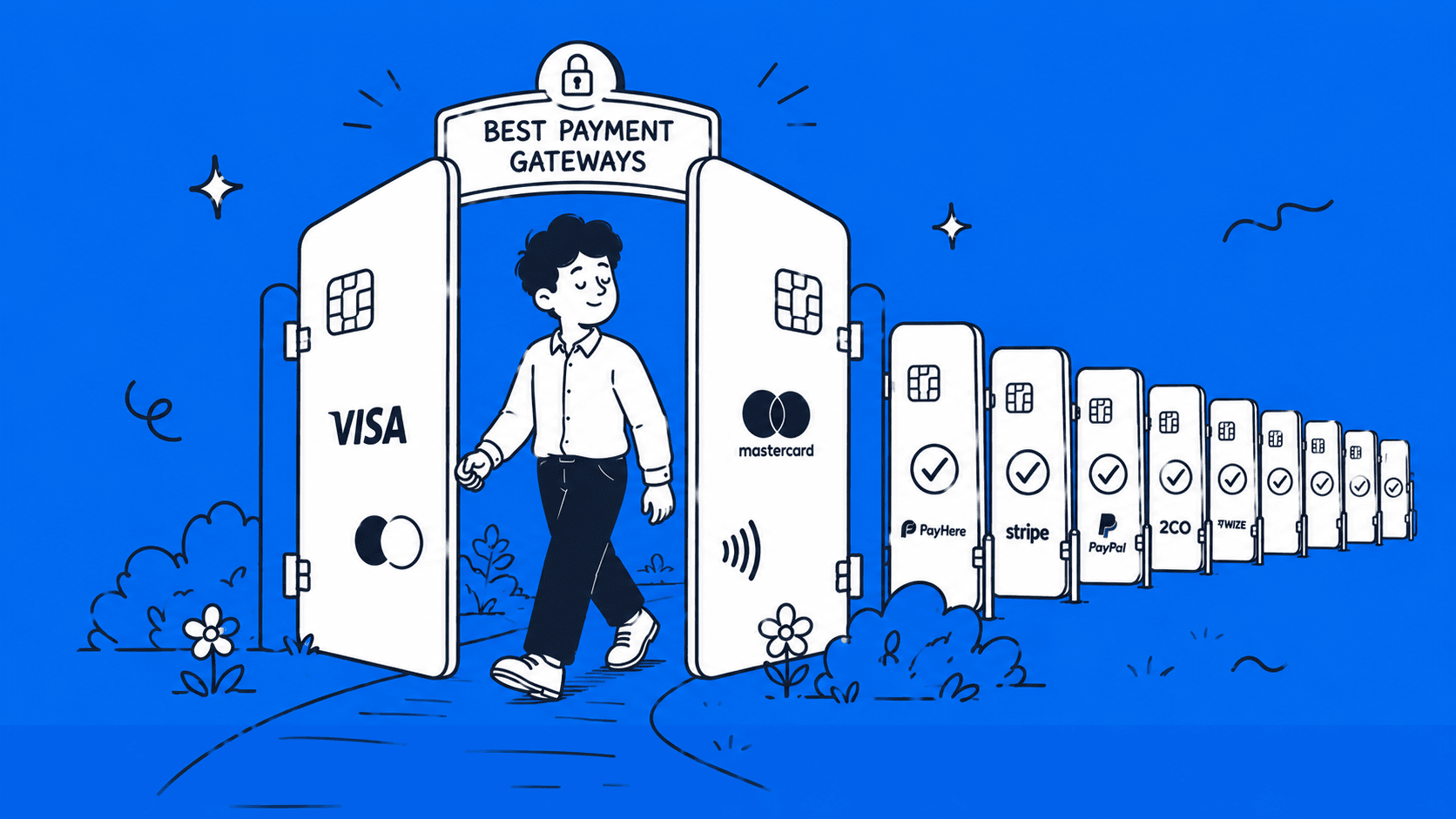
If you’re trying to find the best payment gateway in Sri Lanka, you’re probably facing a lot of confusion, different platforms, different fees, and different rules depending on whether you’re dealing with local or international payments. The truth is, not every gateway works the same way in Sri Lanka, and choosing the wrong one can cost you time, money, and missed opportunities.
In this guide, we break down the 12 best payment gateways in Sri Lanka for 2026, covering both local options and international solutions, so you can clearly decide which one fits your business or freelance needs.
What Is a Payment Gateway and How Does It Work in Sri Lanka?
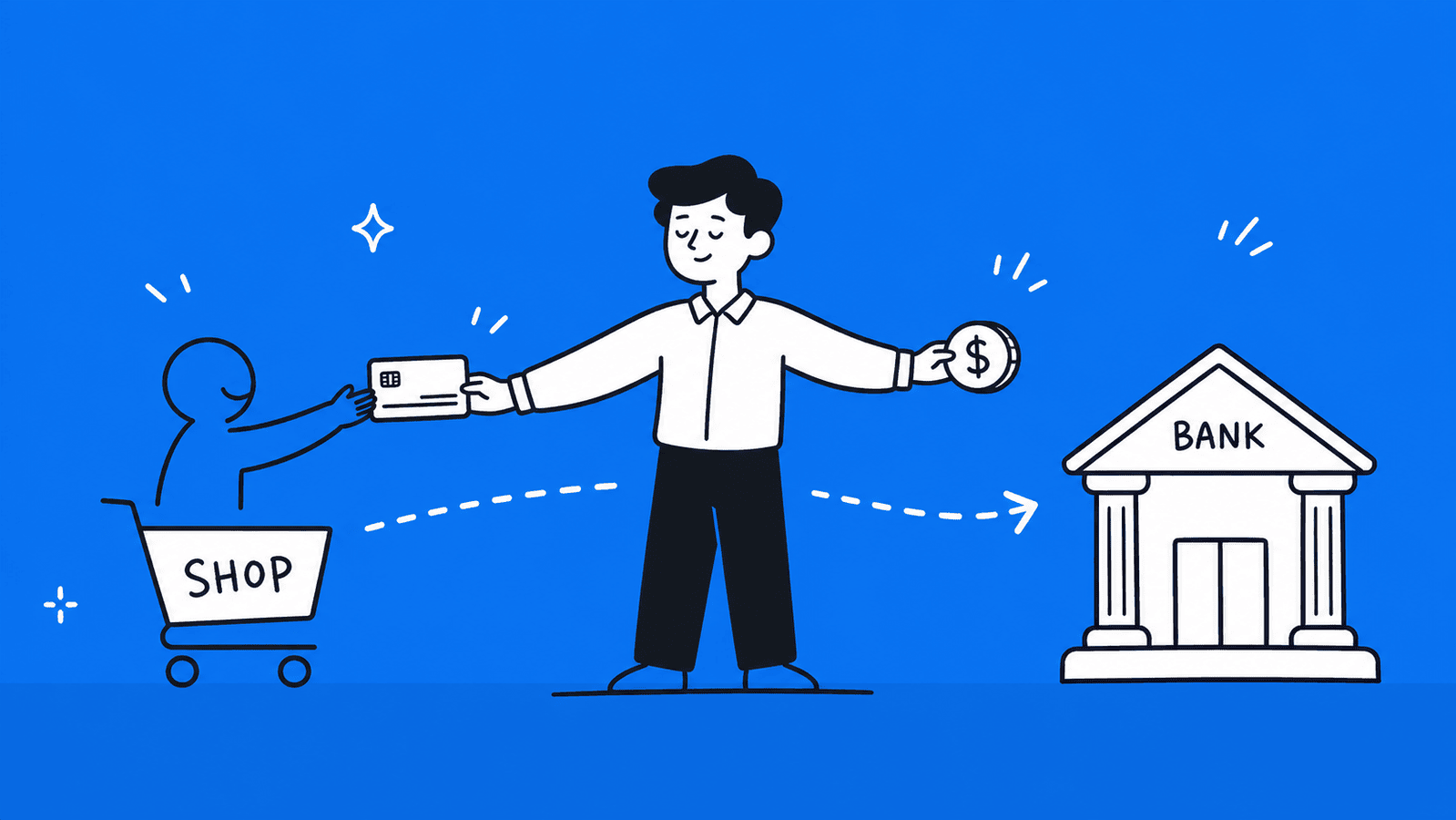
A payment gateway is a tool that allows you to accept payments online. It connects your website or app to a bank or financial service and processes transactions securely. When a customer enters their card details or chooses a payment method, the gateway sends that information to the bank, checks if the payment is valid, and then confirms whether the transaction is approved or declined, all within a few seconds.
In Sri Lanka, payment gateways operate under the supervision of the Central Bank of Sri Lanka. This matters because CBSL-approved gateways follow strict rules around security, data protection, and financial compliance. Choosing a gateway that is approved or aligned with these regulations helps ensure safer transactions, builds customer trust, and reduces the risk of fraud or payment issues. It’s especially important for businesses handling local payments in LKR.
Two Types of Payment Needs in Sri Lanka
Before choosing a payment gateway, it’s important to understand that Sri Lanka has two very different payment use cases. The best option depends heavily on who you are selling to and where your money is coming from.
1. Local Businesses Accepting Payments from Sri Lankan Customers
If you run a local business, such as an eCommerce store or service-based website, your main goal is to accept payments from customers within Sri Lanka. These payments are usually made in LKR using debit cards, credit cards, mobile wallets, or QR-based systems like LankaQR.
For this type of setup, you need a local payment gateway that connects directly with Sri Lankan banks and supports local payment methods. These gateways are typically approved or regulated under CBSL guidelines, which ensures smoother transactions and faster settlements to your local bank account. Options like PayHere or bank-based gateways are designed specifically for this purpose.
2. Freelancers & Exporters Receiving Money from International Clients
If you’re a freelancer, digital service provider, or selling products/services to customers abroad, your needs are completely different. You are mainly receiving payments in foreign currencies like USD, EUR, or GBP from clients in regions such as North America, the UK, or Europe.
In this case, local payment gateways won’t be enough. You need international payment solutions that can handle cross-border transactions, currency conversion, and global payouts. Platforms like Wise, Payoneer, or services like Stripe (via overseas company setup) are more suitable here.
Overall, a gateway that works perfectly for a local Sri Lankan business may not work at all for a freelancer dealing with international clients, and vice versa. Choosing the right type from the start will save you time, fees, and a lot of frustration.
Best Local Payment Gateways in Sri Lanka (For Businesses)
If you’re selling to Sri Lankan customers, these are your main options:
1. PayHere
PayHere is one of the most widely used payment gateways in Sri Lanka, designed for startups, SMEs, and online sellers who want a quick and simple setup. Their payment gateway can connect directly with local banks and allows you to accept LKR payments via cards, mobile wallets, and LankaQR. It supports plugins for platforms like WooCommerce and Shopify, making it easy to integrate even without technical skills.
Fees:
- No setup fee (in most cases)
- Transaction fee: 2.69%–3.30% depending on your plan (Lite: 3.30%, Plus: 2.99%, Premium: 2.69%).
- Settlement: usually within a few business days
Benefits and limitations
| Benefits | Limitations |
| Easy to get started | Mainly focused on local payments |
| No upfront cost | Limited support for advanced international use cases |
| Supports multiple local payment methods | |
| Good documentation and plugins |
Best for: Startups, small businesses, and anyone launching a local eCommerce store quickly.
2. WEBXPAY
WEBXPAY is a SaaS-based payment platform used by a large number of Sri Lankan businesses, offering a more enterprise-level solution. Their payment gateway allows businesses to accept card payments, bank transfers, and recurring payments. It integrates with websites and also supports invoicing and subscription billing.
Fees:
- Setup fee: may apply depending on business type
- Transaction fee: varies (usually competitive)
- Settlement: as fast as next-day
Benefits and limitations
| Benefits: | Limitations: |
| Fast settlements | Setup process can be more complex |
| Supports subscriptions and invoicing | May require business registration and documentation |
| Scalable for growing businesses |
Best for: Growing businesses, SaaS platforms, and companies needing recurring billing.
3. Genie by Dialog
Genie by Dialog is a mobile-focused payment solution backed by Dialog, designed for digital-first and app-based businesses. Their payment gateway allows customers to pay using mobile wallets, cards, and QR codes. It’s especially useful for businesses targeting mobile users and social commerce.
Fees:
- Setup fee: varies
- Transaction fee: competitive with market rates
- Settlement: depends on agreement
Benefits and limitations
| Benefits: | Limitations: |
| Strong mobile payment ecosystem | Less flexible for complex eCommerce setups |
| PCI DSS 4.0 compliance (high security standard) | Not as widely used for full-scale online stores |
| Good for QR and wallet payments |
Best for: Mobile-first businesses, delivery services, and social media sellers.
4. OnePay
OnePay is a fast-growing payment platform focused on QR-based and digital payments. It enables payments via LankaQR, cards, and mobile apps. It also supports recurring billing, which is useful for subscription-based services.
Fees:
- Setup fee: may apply
- Transaction fee: varies
- Settlement: typically within a few days
Benefits and limitations
| Benefits | Limitations |
| Strong LankaQR integration | Smaller ecosystem compared to PayHere |
| Supports recurring payments | Integration options may be limited depending on platform |
| Good for both online and offline use |
Best for: Businesses using QR payments, subscriptions, or hybrid (online + offline) models.
5. Sampath Bank Payment Gateway
Sampath Bank offers its own payment gateway solution for merchants with business accounts. This gateway is directly linked to your Sampath Bank account, allowing you to accept card payments and settle funds directly into your account.
Fees:
- Setup fee: typically required
- Transaction fee: bank-based rates
- Settlement: depends on bank processing
Benefits and limitations
| Benefits: | Limitations: |
| Direct bank integration | Requires a Sampath Bank account |
| Reliable and trusted institution | Less flexible compared to SaaS gateways |
| Good support for established businesses | Longer setup process |
Best for: Established SMEs already banking with Sampath.
6. Commercial Bank (SimplePay)
Commercial Bank of Ceylon offers SimplePay, a payment gateway powered by MasterCard Internet Gateway Service (MIGS). It allows businesses to accept both local and international card payments securely, with strong fraud protection and bank-level infrastructure.
Fees:
- Setup fee: required
- Transaction fee: varies
- Settlement: based on bank cycles
Benefits and limitations
| Benefits: | Limitations: |
| High security (MIGS integration) | More complex onboarding |
| Supports international cards | Not beginner-friendly |
| Backed by a major bank | Requires full business compliance |
Best for: Medium to large businesses needing a secure, bank-backed solution.
7. HNB Internet Payment Gateway
Hatton National Bank (HNB) provides a payment gateway for businesses that want both local and international payment support. HNB’s gateway allows you to accept payments via cards and integrates with your business account for direct settlements.
Fees:
- Setup fee: required
- Transaction fee: varies
- Settlement: depends on bank processing time
Benefits and limitations
| Benefits | Limitations |
| Accepts both local and international cards | Requires business registration |
| Strong banking support | Slower onboarding compared to SaaS tools |
| Suitable for scaling businesses |
Best for: Businesses that want a bank-backed gateway with international card support.
Best International Payment Options for Sri Lankans (For Freelancers & Exporters)
If you need to receive money from clients abroad, local bank gateways won’t cut it. Here are the options that actually work.
8. Wise (formerly TransferWise)
Wise is a global payment platform that lets you receive, hold, and convert money in multiple currencies at low fees. You can create a Wise account and get virtual bank details (USD, GBP, EUR, etc.). Clients can send money as if they are paying a local bank account in their country. You can then convert and withdraw funds to your Sri Lankan bank account in LKR.
Fees:
- No setup fee
- Currency conversion fee: typically 0.35% – 2%. [wise.com/gb/account/lkr-account]
- Withdrawal fee: small fixed charge depending on currency
Benefits and limitations
| Benefits: | Limitations: |
| Very low exchange rate margins | Not a full payment gateway (no checkout system) |
| Multi-currency account support | Limited direct integration for eCommerce |
| Transparent pricing | |
| Easy to use |
Best for: Freelancers, remote workers, and service providers receiving international bank transfers.
9. Payoneer
Payoneer is a widely used platform for freelancers and online sellers to receive international payments. It provides virtual receiving accounts in USD, EUR, and GBP. It integrates directly with platforms like Upwork, Fiverr, and Amazon. Funds can be withdrawn to your local bank account in Sri Lanka.
Fees:
- No setup fee
- Receiving payments: free or up to 1% depending on method
- Withdrawal fee: around 1%–2% currency conversion margin. [Source: payoneer.com/about/pricing]
Benefits and limitations
| Benefits: | Limitations: |
| Strong integration with freelance platforms | Higher fees compared to Wise in some cases |
| Multi-currency receiving accounts | Account approval can take time |
| Global acceptance |
Best for: Freelancers, affiliate marketers, and marketplace sellers.
10. 2Checkout (Verifone)
2Checkout (now part of Verifone) is a global payment gateway that allows you to sell products and services worldwide. You can sign up and integrate 2Checkout into your website to accept payments from customers globally. It handles payment processing, taxes, and compliance, even if you don’t have a company registered in Sri Lanka.
Fees:
- No setup fee
- Transaction fee: 2.4%–3.9% + $0.30–$0.45 per sale, depending on your plan and country. [Source: 2checkout.com/pricing]
- Additional fees for currency conversion and payouts
Benefits and limitations
| Benefits | Limitations: |
| Supports global payments in 200+ countries | Higher transaction fees |
| Handles VAT/tax compliance | Approval process can be strict |
| Works without a local company | Limited control compared to Stripe |
Best for: Digital product sellers, SaaS businesses, and online course creators.
11. Stripe (via Overseas Company Setup)
Stripe is one of the most powerful payment gateways in the world, used by startups and large companies alike.
For a fact, Stripe is not officially available in Sri Lanka. However, many Sri Lankans access it by registering a company in countries like the US or UK. This can be done by registering a company overseas, typically as a US LLC or UK company. Once set up, you can open a business bank account (or use services like Wise) and fully use Stripe to accept global payments.
Fees:
- Setup cost: from $500 via Stripe Atlas (one-time, includes Delaware filing and EIN)
- Transaction fee: around 2.9% + $0.30 per transaction. [Source: stripe.com/pricing]
- Additional fees for currency conversion
Benefits and limitations
| Benefits | Limitations |
| Full-featured payment gateway (subscriptions, APIs, checkout) | Not directly supported in Sri Lanka |
| Global acceptance | Requires overseas company setup |
| Highly scalable | Compliance and tax responsibilities |
Best for: SaaS founders, startups, and businesses targeting global markets.
12. PayPal in Sri Lanka
PayPal is one of the most recognized payment platforms worldwide.
As of May 2026, PayPal is now fully available in Sri Lanka. Following an official launch on May 15, 2026, in partnership with Bank of Ceylon, Commercial Bank of Ceylon, and Sampath Bank, Sri Lankan users can now receive international payments and withdraw funds directly to a local bank account through their partner bank’s mobile app.
One important limitation:
PayPal in Sri Lanka currently supports cross-border payments only. You can receive money from PayPal users abroad, but not from other Sri Lankan PayPal users.
Fees:
- Sending payments: standard PayPal fees apply (You can estimate costs using our PayPal calculator).
- Receiving payments: fees apply via partner banks. Check the official PayPal Sri Lanka fees page for current rates.
Benefits and limitations
| Benefits: | Limitations: |
| Widely trusted globally | Only cross-border payments supported, local Sri Lanka to Sri Lanka transfers not available. |
| Easy to use for payments | Partner banks currently limited to Bank of Ceylon, Commercial Bank, and Sampath Bank. |
| Now supports receiving and withdrawing international payments in Sri Lanka since May 2026 | Higher currency conversion markup compared to Wise and Payoneer |
Best for: Freelancers and businesses receiving payments from clients who prefer PayPal, online payments, and e-commerce.
Explore our deep guide about PayPal in Sri Lanka for more details.
Local vs. International Payment Gateways: Side-by-Side Comparison
Here’s a simple comparison to help you quickly understand the differences between local and international payment options available for Sri Lankans:
| Gateway | Type | Setup Fee | Transaction Fee | Currencies | Best For |
| PayHere | Local | Free | ~2.5%–3.5% | LKR | Small businesses, startups |
| WEBXPAY | Local | Varies | Competitive | LKR | Growing businesses, subscriptions |
| Genie by Dialog | Local | Varies | Competitive | LKR | Mobile-first businesses |
| OnePay | Local | Varies | Competitive | LKR | QR-based and hybrid businesses |
| Sampath Bank | Local | Required | Bank rates | LKR | SMEs with Sampath accounts |
| Commercial Bank of Ceylon (SimplePay) | Local | Required | Bank rates | LKR + Intl cards | Medium–large businesses |
| Hatton National Bank | Local | Required | Bank rates | LKR + Intl cards | Scaling businesses |
| Wise | International | Free | ~0.35%–2% (FX) | USD, EUR, GBP + more | Freelancers, remote workers |
| Payoneer | International | Free | Up to ~1% + FX | USD, EUR, GBP | Freelancers, marketplaces |
| 2Checkout | International | Free | 2.4%–3.9% + fixed fee | 200+ currencies | Digital products, SaaS |
| Stripe* | International | Varies (LLC setup) | ~2.9% + $0.30 | Global currencies | Startups, SaaS |
| PayPal | International | Free | Standard PayPal fees | USD, EUR, GBP + more | Freelancers and businesses receiving from international clients |
*Stripe is not directly available in Sri Lanka and requires an overseas company setup.
How to Choose the Right Payment Gateway in Sri Lanka
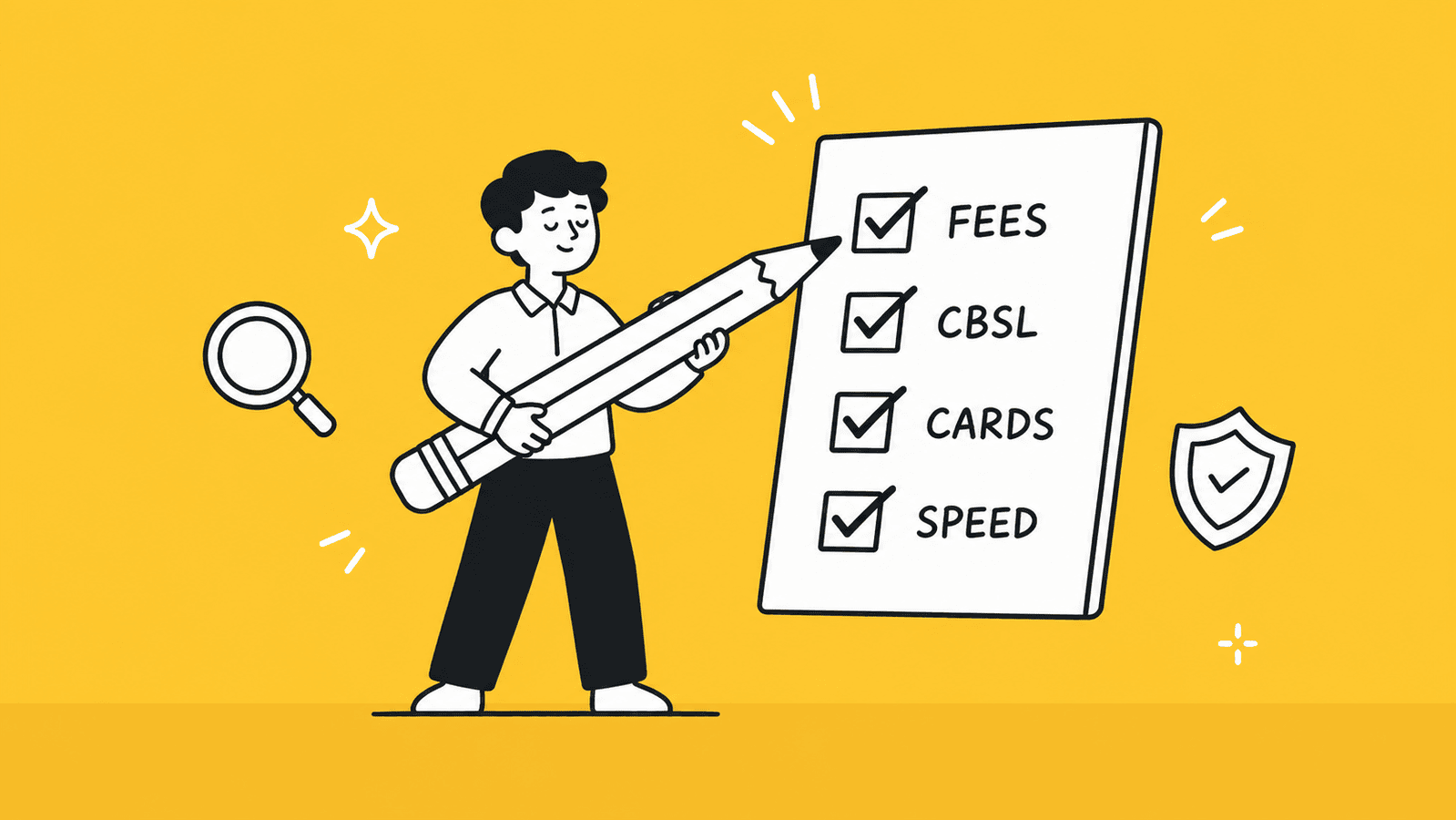
Choosing the right payment gateway in Sri Lanka is not just about picking a popular option. It depends on your business type, your customers, and how you plan to receive payments. Here are the key factors you should carefully evaluate before making a decision.
1. CBSL Compliance and Licensing
In Sri Lanka, payment systems are regulated by the Central Bank of Sri Lanka. This means not all payment providers operate under the same level of oversight.
Choosing a gateway that is approved or aligned with CBSL regulations ensures:
- Secure transactions
- Better protection against fraud
- Higher trust among local customers
This is especially important for businesses accepting LKR payments. Non-compliant solutions may create legal or operational risks over time.
2. Transaction Fees and Hidden Costs
Every payment gateway charges fees, but the structure can vary a lot.
Typical costs include:
- Transaction fee (e.g., 2.5%–3.5% per payment)
- Currency conversion fees (for international payments)
- Withdrawal fees
- Monthly or setup fees (in some cases)
Platforms like Wise are known for low FX fees, while gateways like 2Checkout may charge higher transaction percentages but offer global reach.
Always look beyond the headline rate and check for hidden costs.
3. Supported Payment Methods (Cards, Wallets, QR, Bank Transfer)
Your gateway should support the payment methods your customers actually use.
In Sri Lanka, this usually includes:
- Debit and credit cards (Visa, Mastercard)
- Mobile wallets
- QR payments (like LankaQR)
- Bank transfers
For example:
- PayHere supports cards and local payment options
- OnePay is strong in QR-based payments
The more options you provide, the easier it is for customers to complete payments.
4. Multi-Currency and International Reach
If you plan to work with international clients or customers, this becomes critical.
You should check:
- Can the gateway accept USD, EUR, GBP?
- Are exchange rates reasonable?
- Can you hold multiple currencies?
For example:
- Payoneer and Wise are strong for multi-currency support
- Stripe (via overseas setup) allows full global payments
If you choose a local-only gateway, you may struggle to scale internationally.
5. Integration with Your Website or Platform (WooCommerce, Shopify, Custom API)
A good payment gateway should be easy to integrate with your existing setup.
Check whether it supports:
- WooCommerce (WordPress)
- Shopify
- Custom websites (via API)
- Payment links or invoices
For example:
- PayHere offers easy plugins for beginners
- Stripe provides powerful APIs for developers
Choosing a gateway with poor integration can slow down your launch or require extra development work.
6. Settlement Speed and Support
Settlement time is how long it takes for money to reach your bank account after a payment is made.
This can vary:
- Local gateways: usually 1–3 business days
- International platforms: may take longer depending on currency conversion
Also consider:
- Customer support quality
- Availability of local support teams
- Dispute handling
For example:
- WEBXPAY offers faster (sometimes next-day) settlements
- Bank gateways may take longer but offer more stability
Faster settlements improve your cash flow, which is important for growing businesses.
There is no single “best” payment gateway in Sri Lanka. The right choice depends on your business model, your customers, and how you plan to scale.
Payment Gateway Fees in Sri Lanka: Comparison for 2026
If you’re choosing a payment gateway in Sri Lanka, fees are one of the most important factors. Below is a clear breakdown of setup costs, monthly fees, transaction charges, and settlement times based on the latest available data.
Payment Gateway Fees Comparison (Sri Lanka – 2026)
| Gateway | Setup Fee | Monthly Fee | Transaction Fee | Settlement Period |
| PayHere | Free | Free – LKR 3,990+ (varies by plan) | 2.69% – 3.30% | 2–3 business days |
| WEBXPAY | ~LKR 15,000 | ~LKR 4,990+ | ~2.5% – 3.5% | T+1 (next day) |
| Genie by Dialog | Free | Free | ~1.5%+ | 1–3 days |
| OnePay | ~LKR 1,500 | Varies | ~3.5% (cards), 1% (QR) | 1–3 days |
| Sampath Bank | ~LKR 15,000 | ~LKR 75,000/year | ~3% – 5% | 2–5 days |
| Commercial Bank of Ceylon | ~LKR 15,000 | ~LKR 36,000/year | ~2.5% – 3% | 2–5 days |
| Hatton National Bank | ~LKR 15,000–25,000 | ~LKR 60,000+/year | ~4% | 2–5 days |
| 2Checkout | Free | None | ~3.5% + fixed fee | Weekly payouts |
| Stripe* | Varies (LLC setup) | None | ~2.9% + $0.30 | 2–7 days |
| Payoneer | Free | None | Up to ~1% + FX | 1–3 days |
| Wise | Free | None | ~0.5% – 1% (FX) | 1–2 days |
| PayPal | Free | None | ~3.49% + fixed fee for receiving payments / Up to 4% FX markup | 3 to 5 business days via partner bank |
Key Insights (Important for Decision Making)

- Lowest startup cost: PayHere and Wise offer free entry, making them ideal for beginners.
- Best for low transaction fees (local): WEBXPAY and Commercial Bank of Ceylon offer competitive rates around ~2.5%–3%.
- Best for QR and low-cost local payments: OnePay offers ~1% fees for LankaQR payments.
- Highest overall cost (bank gateways): Bank gateways like Sampath Bank and Hatton National Bank have higher setup and annual fees but offer strong reliability.
- Highest currency conversion cost (international): PayPal carries the highest FX markup among international options at up to 4% above the mid-market rate. Wise remains the cheaper choice for currency conversion.
- Best for international payments (low FX cost): Wise is the cheapest for currency conversion.
Payment gateway fees in Sri Lanka are not always fixed and can vary based on several factors. Your business volume plays a big role, as higher transaction volumes can sometimes help you negotiate better rates. The industry you operate in also matters, since certain high-risk industries may be subject to higher fees. In addition, many providers offer flexible pricing, meaning there is often room for negotiation depending on your business profile and needs.
Because of this, it’s always a good idea to confirm the latest pricing directly with the payment provider before making a final decision.
Which Payment Gateway Is Best for Your Situation as a Sri Lankan?
Choosing the “best” payment gateway in Sri Lanka depends entirely on how you earn money and who your customers are. Here’s a clear breakdown based on the two most common situations.
If You’re Running a Local or International eCommerce Store
If you are selling products or services online, whether to Sri Lankan customers or targeting countries like the USA, UK, or Europe, your needs will vary based on your target market.
For local eCommerce (Sri Lanka), gateways like PayHere or WEBXPAY are usually the best choice. These platforms are built to handle LKR payments, support local cards, mobile wallets, and QR systems, and are aligned with local banking systems. They also offer easier setup and faster settlements for Sri Lankan businesses. Many businesses prefer these because they directly connect with local banks and improve trust among local customers.
If you are targeting international customers (USA, UK, Europe), then local gateways alone are not enough. You need a global solution like Stripe or 2Checkout. Stripe is especially powerful for eCommerce and SaaS because it supports subscriptions, global cards, and advanced integrations, but it requires an overseas company setup.
Best choice summary:
- Local customers → PayHere or WEBXPAY
- Global customers → Stripe (with LLC) or 2Checkout
If You’re Freelancing for Foreign Clients
If you are a freelancer working with clients in the US, UK, or Europe, your focus is not on checkout systems but on receiving international payments easily and cheaply.
In this case, Wise is one of the best options. It offers multi-currency accounts and very low conversion fees, making it ideal for direct bank transfers from clients. Studies show Wise typically charges around 0.35%–2%, making it one of the cheapest ways to receive money internationally.
Another strong option is Payoneer, especially if you work on platforms like Upwork, Fiverr, or Amazon. It provides virtual USD, EUR, and GBP accounts and integrates directly with global marketplaces, making it very convenient for freelancers.
If you want to look more professional and accept card payments directly from clients, Stripe (via overseas setup) can also work, but it’s more advanced and requires extra setup.
Best choice summary:
- Direct client payments (bank transfer) → Wise
- Freelance platforms (Upwork, Fiverr) → Payoneer
- Personal website / premium clients → Stripe (with LLC), PayPal (local Sri Lankan account or via US/UK company for Stripe access)
Need Help in Registering Your Business in USA or UK from Sri Lanka?
At BR.lk, we help Sri Lankan freelancers and online sellers unlock global payment opportunities by legally setting up their business abroad. Whether it’s a US LLC or a UK company, we handle the complex processes so you can focus on getting paid internationally.
Here’s why BR.lk is the trusted choice for Sri Lankan entrepreneurs:
- Expert Guidance & Compliance: Our team guides you through every step of company registration, ensuring full compliance with international and local regulations.
- Seamless Payment Setup: We help link your new company to PayPal, Stripe, Wise, and other global payment platforms, enabling you to receive payments from clients worldwide.
- Fast & Hassle-Free Process: Complete registration and account setup in just 24–48 hours, with minimal paperwork and clear instructions every step of the way.
- Local Language Support: Receive personalized support in Sinhala or Tamil, making the process simple and easy to understand.
Take the first step to get paid globally and grow your online business with confidence.
Key Takeaways
- Choosing the right payment gateway in Sri Lanka depends mainly on whether you are dealing with local customers or international clients.
- Local payment gateways like PayHere and WEBXPAY are best suited for accepting LKR payments within Sri Lanka.
- International platforms like Wise and Payoneer are more practical for freelancers and businesses receiving money from abroad.
- Stripe and 2Checkout are powerful global solutions but may require additional setup, such as an overseas company.
- PayPal is now fully available in Sri Lanka since May 2026, supporting international payment receiving and withdrawals to local bank accounts via approved partner banks.
- Payment gateway fees in Sri Lanka typically range between 2.5% to 3.5% for local transactions and vary for international payments based on currency conversion.
- CBSL compliance is important when choosing a gateway, especially for businesses handling local transactions.
- Supported payment methods like cards, mobile wallets, and QR payments can impact your customer experience and conversion rates.
- Settlement speed varies between providers, with some offering next-day payouts while others may take several days.
- There is no single “best” gateway, and the right choice depends on your business type, target market, and long-term growth plans.
FAQs
A payment gateway is the tool that collects and securely sends payment details from your website or app. A payment processor is the system that actually moves the money between banks. In simple terms, the gateway handles the front-end transaction, while the processor completes the payment in the background.
A payment gateway allows you to accept payments online securely and automatically. Without it, you may have to rely on manual bank transfers, which can reduce customer trust, slow down transactions, and limit your ability to scale your business.
Stripe is not directly available in Sri Lanka. However, many Sri Lankans use it by registering a company in countries like the US or UK. Once set up, you can use Stripe to accept global payments.
Yes, PayPal is now fully available in Sri Lanka since May 2026. Sri Lankan users can receive international payments and withdraw funds to local bank accounts via three approved partner banks: Bank of Ceylon, Commercial Bank of Ceylon, and Sampath Bank. Note that only cross-border payments are supported.
For local payments, gateways like PayHere and WEBXPAY offer competitive transaction fees around 2.5%–3.5%. For international payments, Wise is known for having the lowest currency conversion fees.
It depends on the provider. Local gateways and bank-based solutions usually require a registered business. However, some international platforms like Wise or Payoneer can be used without a formal business setup.
PayHere is one of the best options for WooCommerce in Sri Lanka because it offers easy plugin integration and supports local payment methods. For international payments, Stripe (via overseas setup) is a strong option.
Most providers require a business registration, a local bank account, and a working website. You may also need to submit verification documents such as ID, business details, and compliance information.
Common challenges include limited access to global gateways, currency restrictions, higher fees for international transactions, and compliance requirements set by local regulations.
If you can’t use a payment gateway, you can rely on bank transfers, payment links, freelance platforms, or international services like Wise and Payoneer to receive payments.