|
Getting your Trinity Audio player ready…
|
Are you a freelancer, online business owner, or entrepreneur in Sri Lanka looking to accept international payments? If so, you’ve probably heard of Stripe, one of the most popular payment platforms in the world. While Stripe isn’t officially available in Sri Lanka, there are ways to set it up legally and start receiving payments from global customers.
In this guide, we’ll walk you step by step through everything you need to know, from setting up a business in a supported country to receiving payouts safely in Sri Lanka. Read on to learn how you can unlock the power of Stripe for your business.
Is Stripe Available in Sri Lanka?
If you’re searching for “stripe sri lanka,” the short answer is: no, Stripe is not officially available in Sri Lanka as of 2026. [Source: https://stripe.com/en-gi/global]
This means you cannot directly sign up for a Stripe account using a Sri Lankan address, bank account, or business entity. Stripe only supports specific countries, and Sri Lanka is not currently on that list.
However, this doesn’t mean Sri Lankan freelancers and businesses are completely blocked from using Stripe. There are still legal workarounds, which we’ll cover later in this guide.
Why Stripe Does Not Officially Support Sri Lanka
There are a few key reasons why Stripe has not yet launched in Sri Lanka:
- Regulatory requirements: Stripe must follow strict financial laws in every country it operates in. Local regulations in Sri Lanka can make entry more complex.
- Banking infrastructure: Stripe relies on strong integration with local banks, which may not yet meet its requirements.
- Compliance and risk factors: Payment companies must manage fraud, disputes, and compliance (KYC/AML), which can vary by country.
- Market priorities: Stripe usually expands to countries with higher demand and easier compliance processes first.
Because of these factors, Stripe has chosen to expand gradually and has not yet included Sri Lanka in its supported regions.
Can Sri Lankans Still Use Stripe?
Yes, but not directly. Sri Lankans can still use Stripe by setting up a business in a supported country such as the US or UK. This allows you to create a Stripe account under that foreign business.
In simple terms:
- You cannot open Stripe with a Sri Lankan setup
- But you can use Stripe through a foreign company
This method is commonly used by:
- Freelancers working with international clients
- SaaS and online businesses
- E-commerce store owners
However, it’s important to follow the correct legal steps (which we’ll cover later) and avoid shortcuts like using fake details, as that can lead to account suspension.
Why Sri Lankan Businesses Want to Use Stripe
Even though Stripe is not officially available in Sri Lanka, many businesses still try to access it. That’s because Stripe offers features that are hard to find in most local payment gateways.
Here are the main reasons why Sri Lankan businesses prefer Stripe:
1. Accept Payments from Global Customers
One of the biggest advantages of Stripe is the ability to accept payments from customers all over the world.
With Stripe, you can:
- Accept international credit and debit cards
- Get payments from clients in the US, UK, Europe, and more
- Run global online businesses without location limits
This is especially useful for:
- Freelancers working with overseas clients
- SaaS businesses
- E-commerce stores selling internationally
2. Multi-Currency Support
Stripe supports multiple currencies, which makes it easier to sell globally without worrying about currency issues.
With Stripe, you can:
- Charge customers in their local currency
- Reduce friction during checkout
- Improve conversion rates
This gives a better experience for international customers and helps build trust with your audience.
3. Easy Integration with Websites and Platforms
Stripe is known for its simple and flexible integration options. You can easily connect Stripe with:
- E-commerce platforms like Shopify and WooCommerce
- Subscription tools for SaaS businesses
- Custom websites using APIs
Even if you’re not a developer, many platforms already support Stripe, making setup much easier compared to traditional payment gateways.
Overall, Stripe gives Sri Lankan businesses the tools they need to grow internationally, which is why it remains a popular choice despite not being officially supported.
What You Need Before Setting Up Stripe in Sri Lanka
Before you can use Stripe from Sri Lanka, you need to prepare a few important things. Since Stripe is not officially supported locally, you must set up your account through a supported country.
Here’s what you need:
1. A Registered Business Entity (US LLC or UK Company)
To create a Stripe account, you must have a registered business in a supported country.
The most common options are:
- US LLC (Limited Liability Company)
- UK Limited Company
This business will be used to:
- Open your Stripe account
- Receive payments legally
- Handle taxes and compliance
Most Sri Lankan freelancers and online business owners prefer a US LLC because it is easier to manage and widely accepted.
2. A Tax ID (EIN for US or UTR for UK)
Once your company is registered, you need a tax identification number.
- For a US company → EIN (Employer Identification Number)
- For a UK company → UTR (Unique Taxpayer Reference)
This is required by Stripe to verify your business and ensure it follows tax rules in that country.
Without a valid tax ID, your Stripe account cannot be fully activated.
3. A Business Bank Account (Wise or Mercury)
You also need a business bank account in the same country as your company.
Two popular options are:
- Wise – Easy to set up and supports international users
- Mercury – Popular for US-based businesses
This account is used to:
- Receive payouts from Stripe
- Hold your earnings in foreign currency
- Transfer money to Sri Lanka
4. Valid Government-Issued Passport
Finally, you need a valid passport for identity verification.
Stripe requires:
- A clear government-issued ID (passport is preferred)
- Personal details that match your business records
This step is part of Stripe’s KYC (Know Your Customer) process, which helps prevent fraud and ensures legal compliance.
How to Get Stripe in Sri Lanka: Step by Step
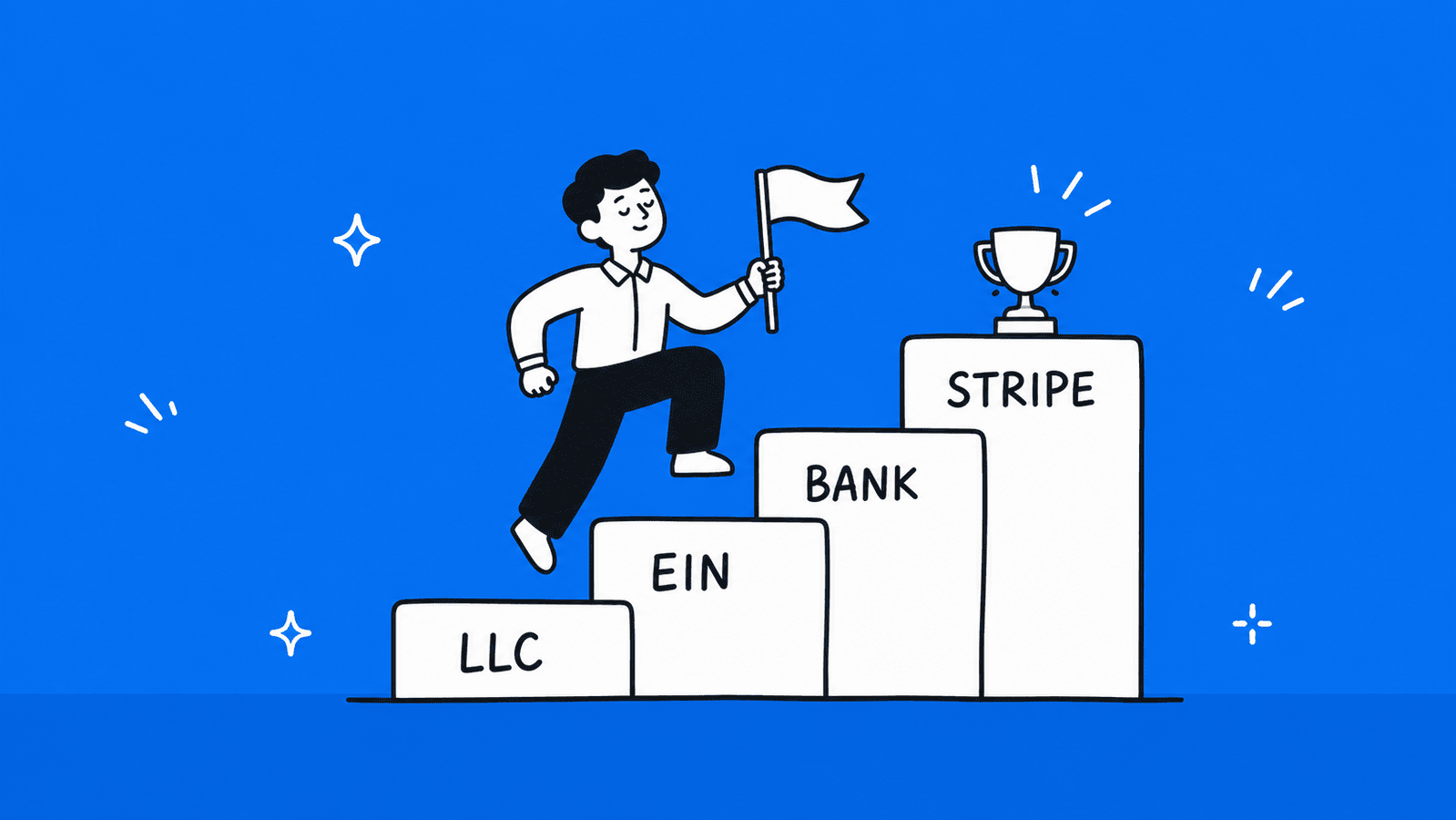
Since Stripe is not directly available in Sri Lanka, you need to go through a proper setup using a business registered in a supported country. This may sound complex at first, but if you follow each step carefully, the process is quite manageable.
Step 1: Register a US LLC or UK Company
The first step is to create a legal business entity in a country where Stripe is supported. Most Sri Lankans choose to register a US LLC because it is simple to set up, does not require you to live in the US, and is widely accepted by Stripe. However, keep in mind that most US LLCs also require a registered agent in the state of formation.
A UK company is also an option, but it usually involves slightly more ongoing compliance.
You can register your company online through formation services. Once your company is approved, you will receive official documents such as your certificate of formation and company details. These documents are important because Stripe will later use them to verify your business.
This step is essential because Stripe only allows accounts that are tied to legally registered businesses in supported countries.
Not sure which to pick?
Read our UK vs USA company comparisonfor Sri Lankan entrepreneurs.
Step 2: Get Your Tax ID (EIN or UTR)
After your company is registered, the next step is to get a tax identification number.
If you set up a US LLC, you will need an EIN (Employer Identification Number) from the IRS. If you chose a UK company, you will receive a UTR (Unique Taxpayer Reference) from HMRC.
This number is required when creating your Stripe account. It confirms that your business exists for tax purposes and helps Stripe stay compliant with financial regulations.
Getting an EIN can take a few days to a couple of weeks depending on how you apply, so it’s important to plan for this step.
Step 3: Open a Business Bank Account
Once you have your company and tax ID, you need a business bank account that matches your business location.
Many Sri Lankan users choose online banking solutions like Wise or Mercury. These platforms are popular because they allow non-residents to open accounts remotely and support international transactions.
This account is where Stripe will send your payouts. It also allows you to hold money in foreign currencies like USD or GBP and later transfer those funds to your Sri Lankan bank account.
Make sure the name on your bank account matches your company name exactly, as Stripe checks this during verification.
Step 4: Create Your Stripe Account
With your business, tax ID, and bank account ready, you can now create your Stripe account.
During the signup process, you will be asked to provide detailed information about your business and yourself. This includes your company registration details, tax ID, bank account information, and a valid ID such as your passport.
Stripe has a strict verification process, so all the information you provide must match your official documents. If there are mismatches, your account could be delayed or even rejected.
Once your account is submitted, Stripe will review your details. In most cases, approval happens within a few days, but sometimes additional verification may be required.
Step 5: Link Your Bank Account and Start Accepting Payments
After your Stripe account is approved, the final step is to connect your business bank account and start using the platform.
Once everything is set up, you can begin accepting payments from customers around the world. Stripe will process these payments and send the funds to your connected bank account based on your payout schedule.
From there, you can transfer your earnings to Sri Lanka using services like Wise or through international bank transfers.
At this stage, your setup is complete, and you can run your online business using Stripe just like any business in a supported country.
Following this step-by-step process ensures that you are using Stripe legally and safely from Sri Lanka, without risking account restrictions or payment issues.
How to Receive Stripe Payouts in Sri Lanka
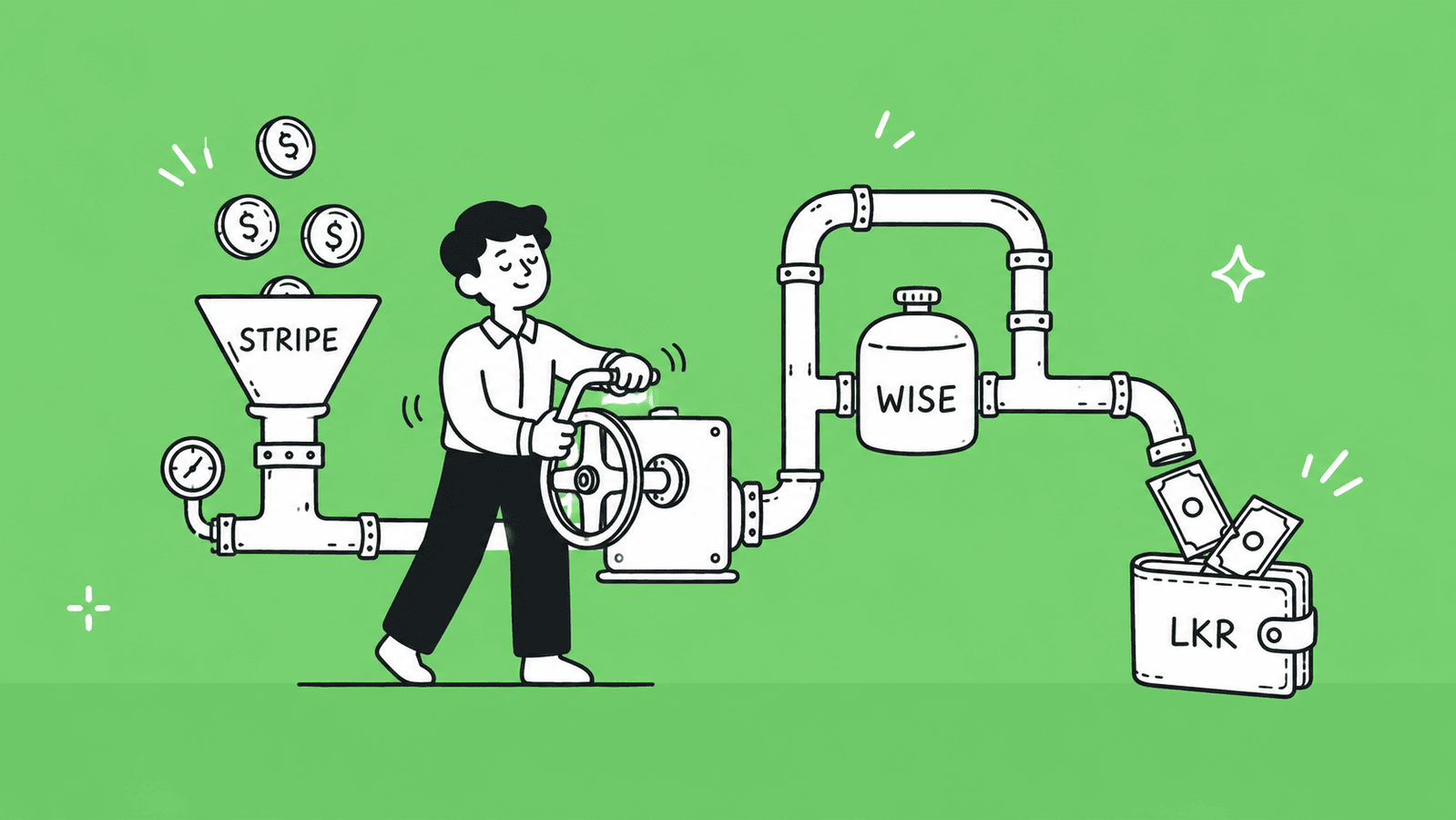
Once you start accepting payments through Stripe, the next important step is getting that money into Sri Lanka. Since your Stripe account is connected to a foreign business, payouts are first sent to your business bank account, and then you can transfer the funds to your local bank.
Here are the most common ways to do this:
1. Using Wise to Transfer Money
Wise is one of the most popular options for Sri Lankans because it makes international transfers simple and cost-effective.
When you connect Wise to Stripe:
- Stripe sends your payouts to your Wise account (usually in USD or GBP)
- You can hold the money in foreign currency or convert it when needed
- You can transfer the funds directly to your Sri Lankan bank account
Wise is preferred because it offers:
- Lower currency conversion fees compared to traditional banks
- Transparent exchange rates
- Faster transfers to Sri Lanka
For many freelancers and small businesses, Wise is the easiest way to manage Stripe payouts.
2. Using Mercury as a Business Bank Account
Mercury is another popular option, especially if you have a US LLC.
With Mercury:
- Stripe payouts are sent to your US business account
- Your funds are held in USD
- You can manage your business finances like a standard US company
Mercury does support sending international wires directly to Sri Lankan bank accounts, so an extra step isn’t always necessary. However, there are two cost paths to consider:
- Option A: Mercury to Sri Lanka bank (direct SWIFT wire). Mercury doesn’t charge you a fee to send USD wires, but the SWIFT network can involve intermediary banks that deduct their own fees along the way, and your Sri Lankan bank will apply its own exchange rate when converting USD to LKR, which is often less favorable than the mid-market rate.
- Option B: Mercury to Wise to Sri Lanka bank. The slightly longer route but often more cost-effective. Since Mercury’s USD wire to Wise is free, you only pay Wise’s transparent fee on the final leg, which is a small fixed amount plus around 0.35% to 0.7% of the transfer, at the real mid-market exchange rate with no hidden markup. For example, sending $3,000 this way costs roughly $21 in total fees.
For frequent or smaller payouts, routing through Wise saves money overall. For larger one-off transfers where simplicity matters, a direct SWIFT wire from Mercury is a perfectly valid option, just factor in the intermediary and receiving bank fees on the Sri Lankan end.
3. Sending Money to a Sri Lankan Bank Account
After receiving your Stripe payouts in Wise or Mercury, the final step is transferring money to your local bank account in Sri Lanka.
This usually involves:
- Converting your funds into LKR (Sri Lankan Rupees)
- Sending the transfer to your personal or business bank account
Things to keep in mind:
- Exchange rates can affect how much you receive
- Transfer fees vary depending on the method you use
- Some banks may take a few working days to process international transfers
Using services like Wise can help reduce costs and speed up the process compared to traditional bank transfers.
By setting up the right payout method, you can smoothly receive your Stripe earnings in Sri Lanka and manage your international income without major issues.
Stripe Fees You Should Know
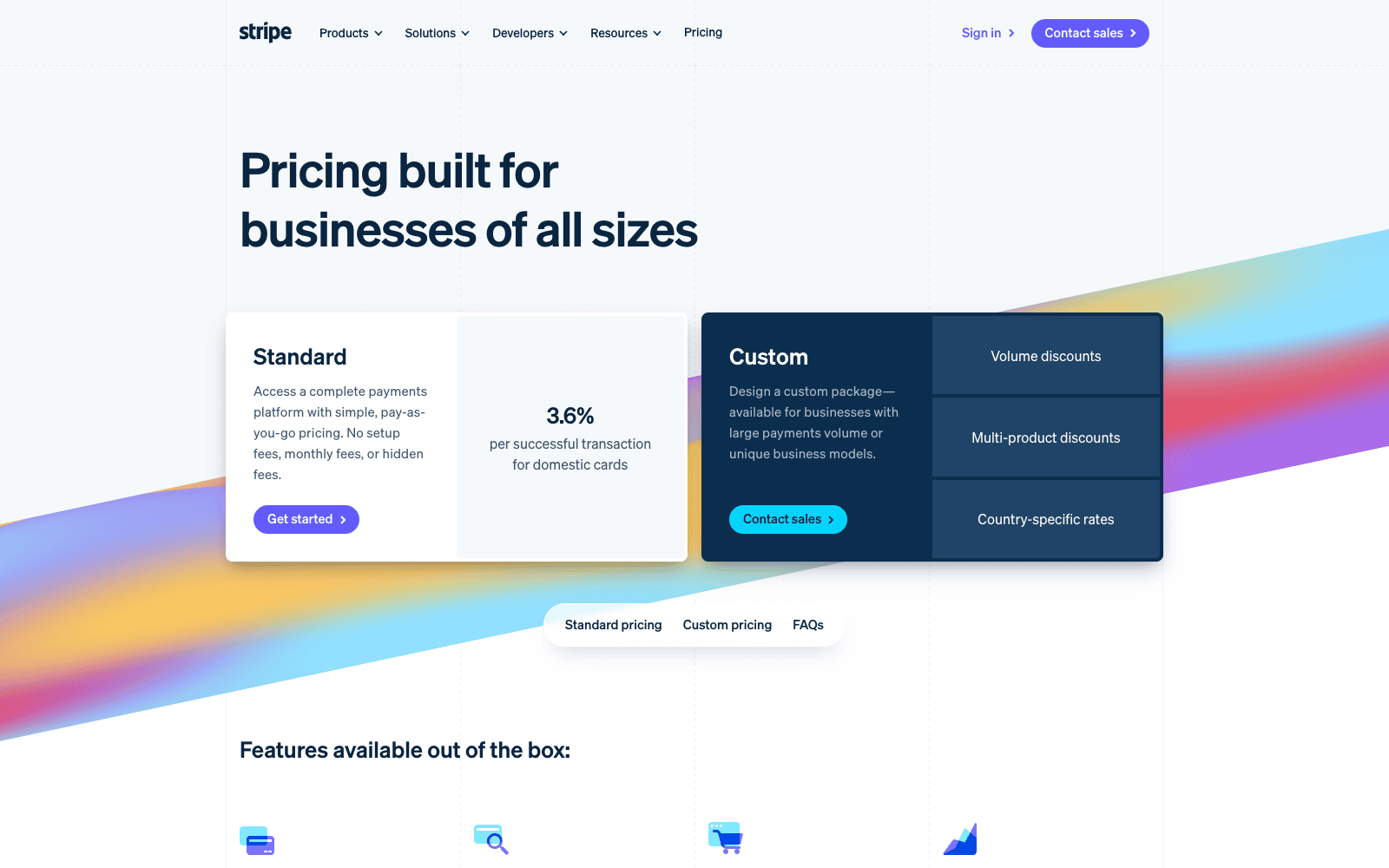
When using Stripe, it’s important to understand the different fees involved. Knowing these costs helps you plan your pricing and manage your business finances effectively. Stripe’s fee structure is transparent, but since you’re operating from Sri Lanka through a foreign business, there are a few extra points to keep in mind.
1. Transaction Fees
Stripe charges a fee for every payment you receive. For most businesses, this fee is a percentage of the transaction plus a fixed amount per payment. For example, in the US, it’s typically around 2.9% + $0.30 per successful card charge.
This fee applies to:
- Credit and debit card payments
- Payments through digital wallets like Apple Pay or Google Pay
- Recurring subscription payments
It’s important to note that these fees are charged in the currency of the payment and deducted automatically from your payout.
2. Currency Conversion Fees
Currency conversion fees come into play at two different points in your payment flow.
- First, when a customer pays in a currency different from your Stripe account’s settlement currency, Stripe charges a conversion fee on that transaction. For US-based accounts this is 1%, and for UK or EU-based accounts it is 2%.
- Second, when you transfer your earnings from Wise or Mercury to your Sri Lankan bank account, another conversion happens from USD or GBP into LKR. This is where using Wise makes a real difference, as it converts at the mid-market exchange rate with a small transparent fee, whereas traditional banks often apply a less favorable rate with hidden markups.
Use our Wise calculator to estimate how much you’ll receive after conversion.
3. Payout and Withdrawal Fees
Payout fees are usually minimal if you are transferring funds within the same country. However, because you are receiving funds in a foreign account:
- Stripe does not charge a separate fee for sending payouts to your connected bank, but your bank or service (Wise/Mercury) may charge transfer fees.
- Some delays or limits may apply depending on the country of your bank account.
- Withdrawals to Sri Lanka may involve additional charges, especially if converting to LKR.
By understanding these fees upfront, you can plan your pricing, factor costs into your business model, and avoid surprises when funds reach your Sri Lankan bank account.
Legal and Tax Things to Keep in Mind
When using Stripe from Sri Lanka, it’s not just about setting up a foreign business and receiving payments. You also need to follow the legal and tax requirements to avoid penalties or issues with authorities.
Rules from the Central Bank of Sri Lanka
The Central Bank of Sri Lanka (CBSL) regulates all foreign currency transactions in the country. If you receive payments from Stripe in a foreign account, you must be aware of the following:
- Any international income must comply with CBSL rules for foreign remittances.
- Large or frequent transfers may require additional documentation for verification.
- You cannot use shortcuts like bypassing official channels to bring money into Sri Lanka, as this can lead to fines or account freezes.
Essentially, the CBSL ensures that foreign income enters the country legally and is properly accounted for. Using regulated services like Wise makes it easier to comply with these rules.
Taxes on Foreign Income
All income earned from Stripe, even if received in a foreign bank account, is subject to Sri Lankan taxes if you are a resident for tax purposes.
Key points:
- Foreign income must be reported in your annual tax return.
- Depending on your business structure, income may be taxed under personal income tax or business tax rules.
- Maintaining clear records of Stripe payouts and conversions is crucial for accurate tax reporting. Doing proper bookkeeping from the start makes this much easier.
Failing to report foreign income can result in penalties from the Inland Revenue Department. Keeping proper documentation of all transfers and fees helps make the process smoother.
KYC and Compliance Requirements
Stripe has strict KYC (Know Your Customer) and compliance policies to prevent fraud, money laundering, and illegal transactions.
When creating your account, you will need:
- Valid government-issued ID (passport preferred)
- Company registration documents
- Bank account details that match your business
Stripe may request additional verification if any information is inconsistent. Following all KYC requirements ensures your account remains active and avoids potential freezes.
By understanding the CBSL rules, correctly reporting taxes, and following Stripe’s KYC procedures, you can safely manage your international income and avoid legal or financial issues while using Stripe from Sri Lanka.
Common Mistakes to Avoid
Using Stripe from Sri Lanka can be very rewarding, but it’s easy to make mistakes that can lead to account suspension, legal issues, or financial losses.
Here are the most common errors and how to avoid them:
1. Using Fake Details or VPNs
Some people think they can bypass Stripe’s restrictions by using fake personal information or a VPN to appear as if they are in a supported country. This is a major mistake.
Stripe has advanced verification systems and can detect mismatched details. Using false information can result in:
- Account suspension or permanent bans
- Frozen funds with no access
- Difficulty opening future accounts
The safest approach is to provide accurate personal and business information that matches official documents from the country where your business is registered.
2. Skipping Tax Registration
Another common mistake is ignoring tax obligations in your business’s registered country or in Sri Lanka.
- Failing to register your business or obtain a tax ID can prevent Stripe from verifying your account.
- Not reporting income earned through Stripe in Sri Lanka may lead to penalties from the Inland Revenue Department.
Always register your business, obtain the required tax ID (EIN or UTR), and maintain accurate records of all payments.
3. Choosing the Wrong Country Setup
Many users try to save time or money by setting up a business in a country that is not optimal for Stripe. For example:
- Choosing a country with strict banking requirements can complicate payouts.
- Using a company in a country you cannot easily manage may make tax reporting and banking difficult.
It’s best to stick with countries widely used for Stripe by international users, such as the US or UK, and ensure your business is legally registered and compliant.
By avoiding these mistakes, you can use Stripe safely and efficiently from Sri Lanka without risking account issues or legal problems.
Best Stripe Alternatives for Sri Lanka
While Stripe is popular for global payments, it’s not officially available in Sri Lanka. Fortunately, there are several alternatives that Sri Lankan businesses and freelancers can use depending on their needs.
PayHere (Best for Local Payments)
PayHere is one of the most widely used local payment gateways. It is ideal for businesses that mainly serve Sri Lankan customers.
Key features:
- Accepts local debit and credit cards
- Supports recurring payments for subscriptions
- Easy integration with websites and e-commerce platforms
PayHere is cost-effective for local transactions and does not require a foreign business setup, making it a convenient option for small businesses operating entirely in Sri Lanka.
PayPal (Best for Freelancers)
PayPal is popular among freelancers who work with international clients. It allows you to receive payments in multiple currencies and withdraw funds to a foreign or local bank account.
Pros for Sri Lankans:
- Widely accepted globally
- Supports multiple currencies
- Easy to invoice clients
Furthermore, PayPal now supports receiving and withdrawing international payments directly to Sri Lankan bank accounts via approved partner banks (Bank of Ceylon, Commercial Bank of Ceylon, and Sampath Bank) following the May 2026 launch.
Note that PayPal still carries a higher currency conversion markup compared to Wise and Payoneer, so it is worth comparing costs before making it your primary receiving method.
Verifone / 2Checkout (Best for Global Sales)
For e-commerce businesses targeting customers outside Sri Lanka, platforms like Verifone or 2Checkout (now part of Verifone) are great alternatives.
- Accept payments from multiple countries and currencies
- Provide advanced fraud protection
- Integrate easily with popular e-commerce platforms
These platforms are suitable for online stores or SaaS businesses that want to reach an international audience without setting up a foreign company.
Payoneer (Best for Freelancers)
Payoneer is another option for freelancers and small businesses who receive international payments.
- Provides a virtual US or EU bank account
- Allows easy withdrawals to local Sri Lankan bank accounts
- Supports multiple currencies
Payoneer is ideal if you work with clients on platforms like Upwork, Fiverr, or direct contracts, offering a straightforward way to access your earnings.
WebXPay / Onepay (Local Gateways)
For businesses focused on local transactions, WebXPay and Onepay are other Sri Lankan payment gateways worth considering.
- Accept payments in LKR directly to your local bank account
- Offer secure payment processing for online stores
- Integration with local e-commerce platforms
These are particularly useful for small businesses or online stores that do not require international payment support.
By choosing the right alternative based on your business model, local vs. international, you can manage payments smoothly without relying on Stripe.
Stripe vs Local Payment Gateways: Which One is Better?
When choosing a payment solution for your business in Sri Lanka, it’s important to compare options like Stripe against local gateways such as PayHere, WebXPay, and Onepay. Each option has strengths and limitations, and the best choice depends on what kind of business you run and where your customers are located.
Who Stripe is Best For
Stripe is designed for businesses that want to sell internationally. If your customers are outside Sri Lanka, Stripe offers several advantages:
- Global payment acceptance: Stripe works with customers from many countries and supports most major credit and debit cards.
- Multi‑currency support: You can charge customers in their local currency, which can increase trust and conversion rates.
- Advanced features: Stripe offers tools for subscriptions, invoicing, recurring billing, and APIs for custom payment experiences.
Businesses that benefit most from Stripe include:
- E‑commerce stores selling to international markets
- SaaS and subscription businesses
- Freelancers with clients in multiple countries
However, because Stripe isn’t officially supported in Sri Lanka, setting it up requires a foreign business and bank account. This adds extra steps and costs that may not be worth it for every business.
Who Local Payment Gateways are Best For
Local payment gateways like PayHere, WebXPay, and Onepay are meant for businesses that primarily serve customers in Sri Lanka. They offer advantages that make them better suited for local transactions:
- Easy setup: You can usually start accepting payments with just a Sri Lankan business and bank account.
- LKR transactions: Payments are processed in Sri Lankan Rupees, which avoids conversion fees for local customers.
- Direct payouts: Funds go straight to your Sri Lankan bank account, without needing foreign bank accounts or transfer services.
Local gateways are ideal for:
- Online stores selling mainly within Sri Lanka
- Small businesses and startups with local customer bases
- Services where international demand is low or not a focus
The trade‑off is that local gateways typically don’t support as many international payment methods or currencies as Stripe does.
A Practical Comparison
| Feature | Stripe | Local Gateways (PayHere, WebXPay, Onepay) |
| Official support in Sri Lanka | Not supported | Supported |
| International payments | Excellent | Limited |
| Multi‑currency support | Yes | Mostly LKR only |
| Ease of setup | Complex (needs foreign setup) | Simple |
| Bank transfers to Sri Lanka | Extra steps (Wise/Mercury) | Direct |
Which One Should You Choose?
- If most of your customers are outside Sri Lanka, and you want powerful tools for subscriptions, global cards, and multi‑currency sales, Stripe (via foreign setup) may be worth the extra work.
- If your market is mainly in Sri Lanka, and you want a straightforward setup with direct payouts and transactions in LKR, a local gateway like PayHere, WebXPay, or Onepay is usually the better choice.
- Some businesses use both, local gateways for Sri Lankan customers and Stripe or other global solutions for international sales.
In short, neither option is strictly better for everyone. The right choice depends on where your customers are, how you price your products or services, and how much effort you want to put into setup and compliance.
Need Help in Registering Your Business in USA or UK from Sri Lanka?
At BR.lk, we help Sri Lankan freelancers and online sellers unlock global payment opportunities by legally setting up their business abroad. Whether it’s a US LLC or a UK company, we handle the complex processes so you can focus on getting paid internationally.
Here’s why BR.lk is the trusted choice for Sri Lankan entrepreneurs:
- Expert Guidance & Compliance: Our team guides you through every step of company registration, ensuring full compliance with international and local regulations.
- Seamless Payment Setup: We help link your new company to PayPal, Stripe, Wise, and other global payment platforms, enabling you to receive payments from clients worldwide.
- Fast & Hassle-Free Process: Complete registration and account setup in just 24–48 hours, with minimal paperwork and clear instructions every step of the way.
- Local Language Support: Receive personalized support in Sinhala or Tamil, making the process simple and easy to understand.
Take the first step to get paid globally and grow your online business with confidence.
Conclusion
Using Stripe from Sri Lanka may seem complicated at first, but with the right setup, it’s completely possible to accept international payments safely and legally. By registering a business in a supported country, obtaining a tax ID, and linking a reliable business bank account like Wise or Mercury, Sri Lankan freelancers and online business owners can access Stripe’s powerful global payment features.
At the same time, it’s important to follow legal and tax requirements, avoid common mistakes, and understand the fees involved to ensure smooth operations. For businesses that mainly serve local customers, Sri Lankan gateways like PayHere, WebXPay, and Onepay provide simpler alternatives with direct payouts in LKR.
Ultimately, whether you choose Stripe, a local payment gateway, or a combination of both depends on your business goals and customer base. With careful planning and compliance, you can expand your reach globally while managing your payments efficiently from Sri Lanka.
Key Takeaways
- Stripe is not officially available in Sri Lanka as of 2026, so direct sign-ups with a Sri Lankan business or bank are not possible.
- Sri Lankans can still use Stripe legally by setting up a business in a supported country like the US or UK.
- Stripe is popular for its ability to accept payments from global customers, making it ideal for freelancers, SaaS, and e-commerce businesses.
- Multi-currency support in Stripe allows businesses to charge customers in their local currency, improving conversions and trust.
- Easy integration with platforms like Shopify, WooCommerce, and custom websites makes Stripe accessible even to non-developers.
- To use Stripe, you need a registered foreign business, a tax ID (EIN for US or UTR for UK), a business bank account, and a valid passport.
- Payouts from Stripe can be received in Sri Lanka using services like Wise or Mercury, with Wise offering cost-effective currency conversion.
- Stripe charges transaction fees, currency conversion fees, and potential payout/withdrawal fees that should be factored into your pricing.
- Legal compliance is crucial, following Central Bank of Sri Lanka rules, reporting foreign income for taxes, and meeting KYC requirements avoids penalties.
- For businesses targeting mainly local customers, Sri Lankan gateways like PayHere, WebXPay, or Onepay may be simpler alternatives, while Stripe is best for international sales.
FAQs
Yes, but not directly with a Sri Lankan setup. Instead, you can register a business in a supported country like the US or UK and then create a Stripe account under that entity. Services like BR.LK can help you set up your company abroad and handle the process smoothly. Once your foreign business is ready, you can legally access Stripe and start accepting payments.
Yes, via a registered foreign entity (US/UK LLC) or compliant platforms, following Sri Lankan forex regulations and Stripe’s terms.
Typically 3–14 days: 1–5 days for foreign company registration, 1–3 days for Stripe application, and 2–7 days for verification and bank linking.
No, Stripe requires a bank account in a supported country (e.g., US/UK/EU). Payouts to Sri Lankan banks aren’t supported directly.
No, Stripe requires a bank account in a supported country (e.g., US/UK/EU). Payouts to Sri Lankan banks aren’t supported directly.
PayHere, WebXPay, PayPal, Onepay, and Payoneer are popular alternatives. PayPal is now fully available in Sri Lanka since May 2026 for receiving and withdrawing international payments.
Yes, but only via a foreign-registered business. Direct local Stripe accounts are not supported yet.
Leave a Reply